

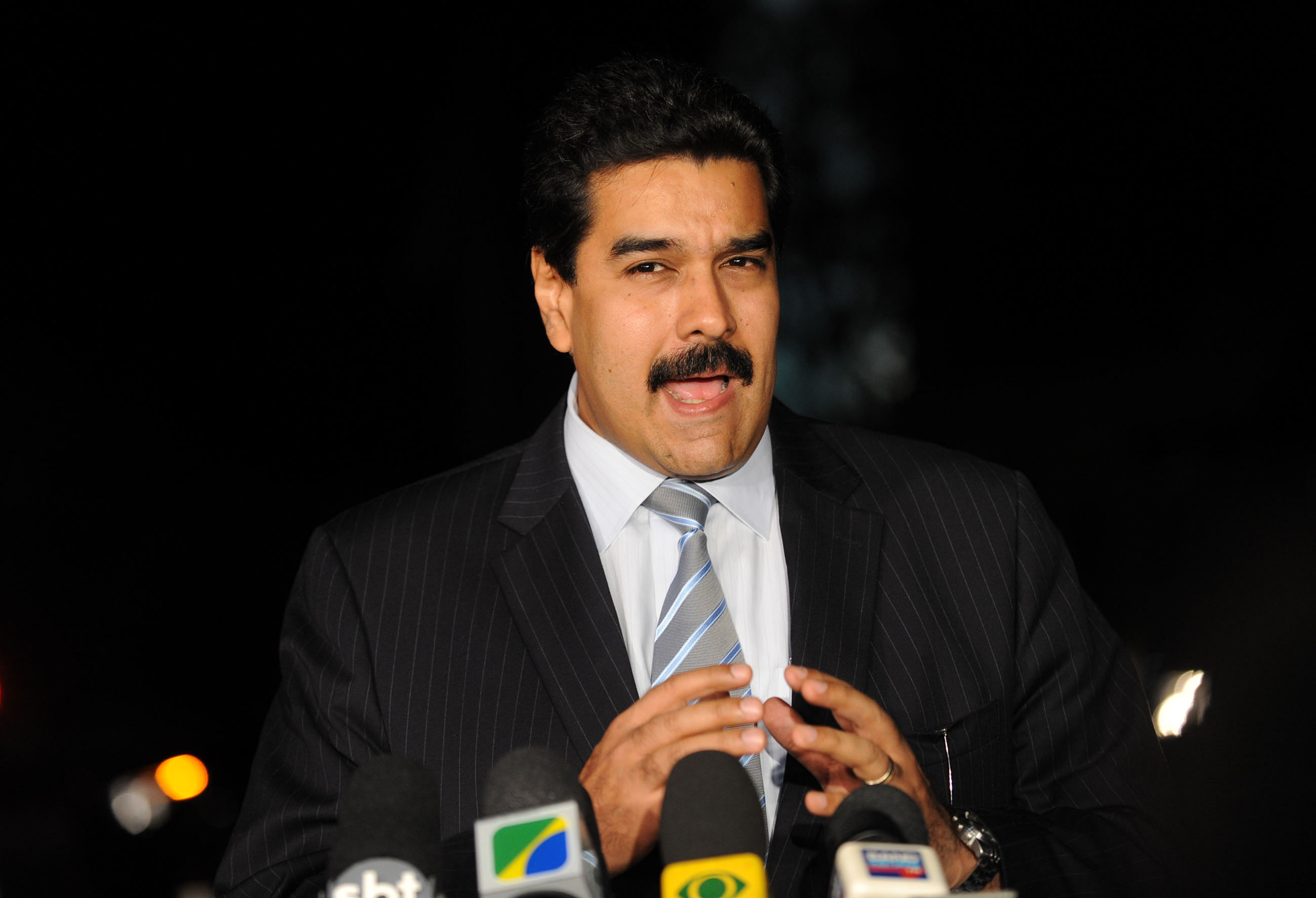
On a dark winter morning in Washington, D.C., senior U.S. officials executed an unprecedented military operation that resulted in the capture of Venezuelan President Nicolás Maduro and his wife, Cilia Flores, according to statements from U.S. leadership and multiple international news agencies. The operation, which involved a series of explosions and airstrikes across Caracas, was confirmed by the White House and President Donald Trump, who stated that Maduro and Flores were taken into U.S. custody and are being transported to New York City to face criminal charges, including narco-terrorism and drug trafficking allegations first brought in a 2020 indictment.
Explosions were reported across multiple locations in Caracas early Saturday, with witnesses describing at least seven blasts and the sound of low-flying aircraft over key military sites. Venezuelan authorities condemned the strikes as a “cowardly attack” and a violation of international law, a characterization that is difficult to dispute under even the most permissive interpretations of sovereignty and the UN Charter.
In a short appearance on Fox News later that morning, the president made his priorities unmistakably clear. “We have the greatest oil companies in the world, the biggest, the greatest, and we’re going to be very much involved in it,” he said.
While at various points the administration had framed the operation as part of a broader effort to dismantle Maduro’s alleged criminal network and end years of authoritarian rule, many inside the United States and abroad, myself included, have questioned the legality of unilateral military action taken without prior congressional authorization. This approach is quickly becoming a defining feature of the second Trump administration. Act first, confront legal and political consequences later, if ever.
The domestic political fallout may prove more damaging than the diplomatic one. Given the visible disillusionment among some self-described “America First” Republicans, including figures such as Marjorie Taylor Greene, it would not be surprising to see additional retirements from both the House and Senate. There are multiple vulnerable members who would prefer not to defend an operation that combines executive overreach, military escalation, and openly stated economic motives. Perhaps some of this reflects my own youth and naïveté, but it increasingly feels as though this is the standard many voters, and even some lawmakers, are attempting to hold the president to.
The Trump–Vance campaign ran on the language of restraint and peace. In practice, that promise has translated into deeper involvement abroad, selective moral clarity, and the willingness to overthrow the leader of a country the United States finds inconvenient. Whatever label is applied to this foreign policy, it is not the one that voters were sold.
The more immediate question is not whether Republicans will actually rally behind the administration, because they likely will. It is how many will do so enthusiastically, not begrudgingly. Who will vote for Republicans because of the regime change, and not because of other policies. Party unity in moments of foreign conflict has historically depended on clarity of purpose and broad legitimacy. This operation offers neither. For some Republican voters, particularly those animated by noninterventionist rhetoric over the past decade, the justification feels thin and the execution reckless. For others, especially suburban and college-educated voters who once formed the backbone of Republican congressional majorities, the open disregard for legal process may be disqualifying on its own.
That fracture matters because turnout and voter propensity, not persuasion, is likely to decide 2026. Republicans do not need to lose large numbers of voters to lose power. They only need enough disillusionment to depress participation in key districts. A foreign policy shock that combines military force, executive unilateralism, and explicit economic self-interest is precisely the kind of event that encourages voters to stay home rather than cross party lines. Democrats do not need to win the argument outright. They simply need Republicans to stop showing up.

The House is where this dynamic becomes most dangerous for the party in power. Many of the seats Republicans rely on are held by members who already walk a narrow line between party loyalty and district-level moderation. Defending this operation will require them to choose between alienating their base or alienating swing voters. Neither option is politically comfortable. Silence will be read as complicity, while vocal support risks tying their political fate to a decision that may age poorly as international consequences mount.
The gubernatorial landscape may be even less forgiving, especially in states that vote more elastically. Governors are judged less on ideology and more on competence, restraint, and stability. In states that have trended more volatile in recent cycles, voters may seek executive leadership that signals insulation from federal volatility rather than alignment with it. Democratic candidates can likely frame themselves as a counterweight to this chaos, emphasizing predictability and (hopefully) the improvement of material conditions over partisan loyalty. That is a message with growing appeal in states where national politics already feels unmoored from daily concerns, and our economy and politics only works for like 20 people.
Republicans still have structural advantages, particularly in the Senate. Maybe that keeps them from total collapse and at least keeps their control of Congress mixed. It’s not like the Trump Administration is using the legislative body to legislate, he’s ruling through decree by executive order. This is more a warning about momentum. Foreign policy decisions rarely decide elections on their own, unless your name is Barack Obama. They do, however, shape narratives about judgment, priorities, and restraint. This administration has shown nothing but poor judgment, uneven priorities, and zero restraint. If this operation becomes a symbol of overreach rather than resolve, it may not just cost Republicans a cycle. It may accelerate a longer realignment that is already underway.
This article was written by Sam Massey.